AFM - Advanced Manufacturing Technologies. Asociación Española de Fabricantes de Máquinas-herramienta, Accesorios, Componentes y Herramientas
Machine Tool, Accessories, Component Parts and Tools Manufacturers' Association of Spain Select Language: Español English Français Deutsch Russian Traditional Chinese
Skip to content
You are here: Home
Document Actions

FASYS, a pioneering project in Europe, involves Basque industry in defining the factory of the future


Last modified 18-03-2010

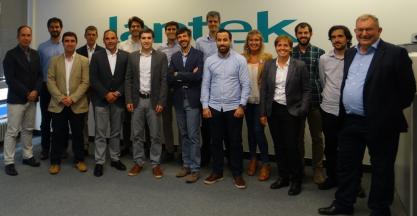
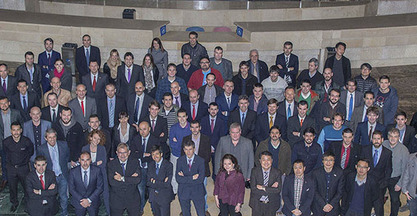
With a 23.3 million euro budget, the FASyS project will develop the key technology for creating a model for an accident-free factory as a basic element in productivity improvement. FASyS is one of the 18 major national strategic projects backed by the CDTI (Centre for the Development of Industrial Technology) within the CENIT 2009 call. FASyS contributes to industrial sustainability through technology that will provide the worker with a key role in the production processes. A group of 13 companies and 14 research teams are part of the consortium that will carry out the project’s entire chain of development.
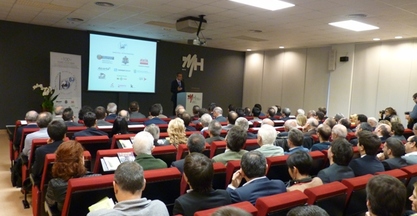
IMH

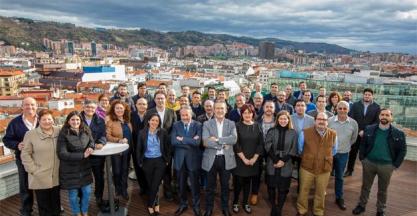
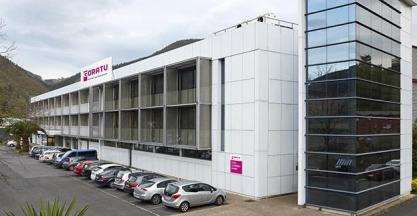
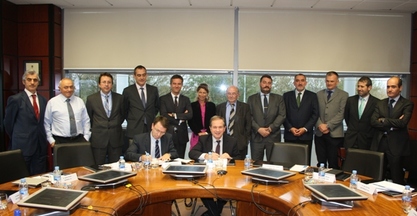
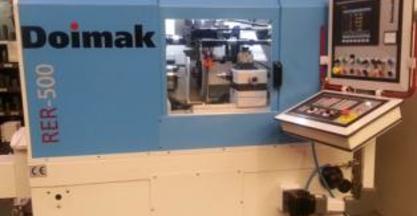
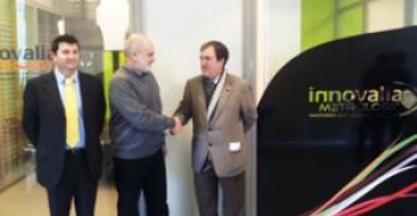
The Centre for the Development of Industrial Technology (CDTI) has approved the FASyS (“Absolutely Safe and Healthy Factory”) project, within the framework of the fifth call of the Programme of National Strategic Consortiums for Technical Research (CENIT-E). With the initiative of Innovalia, the consortium is coordinated by Nextel, which is made up of top-level companies including the Prevention Society Fremap, Siemens, Indra, Tecnologías de la Salud y el Bienestar, Datapixel, Eneo Tecnología, TRW, Doimak, Goratu, Jatorman, Trimek and Consultores de Automatización y Robótica. FASyS also has support from AFM, the Spanish Association of Machine Tool Manufacturers, and its technology unit, the Machine Tool Research Foundation INVEMA.

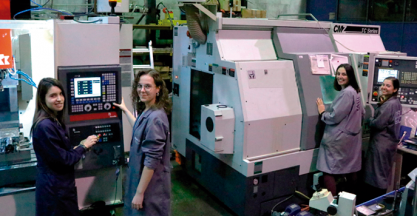
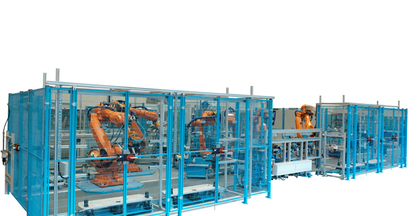
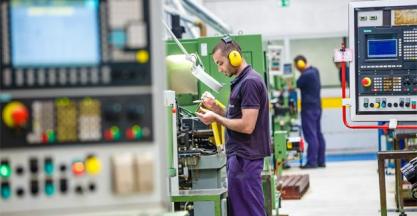
The main aim of the FASyS project is to develop a new model of factory designed to minimise safety and health risks while guaranteeing the comfort and well-being of the factory workers as they carry out machining, handling and assembly tasks. Over the forthcoming years, manufacturing will be facing a series of challenges as a consequence of extraordinarily dynamic industrial environments and highly sophisticated technologies. Workers will be exposed to increasingly diverse situations that will require greater skills, and so efficient production in the factory of the future will involve giving the workers a central relevance they do not possess at present. Health and safety will therefore become synonymous with performance and productivity.
With a 23.3 million euro budget, FASyS lays the groundwork for the sustainable, competitive Factory of the Future. Different strategies of action will be developed for this purpose, with the aim of minimising the risks the workers are exposed to during the production process. A FASyS factory is not a totally risk-free factory, but a factory that has the technical, organisational and human resources to continually identify, detect, monitor and manage the health and safety risks throughout the factory’s entire life cycle.
Occupational health and safety management is set to take on a special relevance over the next decade, as it has been proposed that accidents at work should be reduced by 25% in Europe by 2020. It is also important to take into account the fact that human behaviour and work organisation is behind 90% of accidents, giving rise to the need for a new model of factory, designed to include comprehensive, personalised occupational risk prevention.

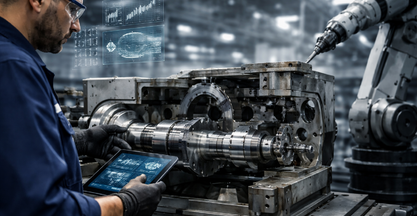
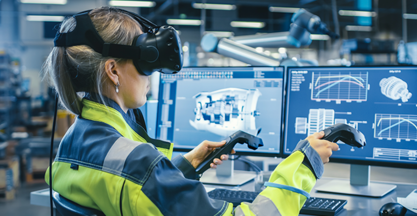
The FASyS project involves the development of a series of integrated systems for attaining its goals, such as devices for monitoring the worker’s physical and psychological state and the state of their surroundings; efficient systems for communicating this data to improve its availability and content; data processing and interpretation technologies to characterise the worker’s activity with a low degree of uncertainty; intelligent analysis and decision-making; comprehensive prevention protocols and customised health monitoring for each worker; collaborative manufacturing teams for worker safety; and, lastly, management of the processes which involve the human factor and facilitate information on risk behaviour as part of their improvement.


Technology
Invema - Fundación de Investigación de la Máquina-herramienta - unidad tecnológica de AFM


« May 2012 »
Mo Tu We Th Fr Sa Su
1 2 3 4 5 6
7 8 9 10 11 12 13
14 15 16 17 18 19 20
21 22 23 24 25 26 27
28 29 30 31
Upcoming Events
BIEMH (28 may - 2 june)
Bilbao,
28-05-2012
CIMES (12 -16 june)
Beijing,
12-06-2012
Follow us on
RSS AFM Follow us on Twitter Follow us on Facebook Follow us on Linkedin Follow us on Youtube Chanel Follow us on Flickr Follow us on Vimeo Follow us on SlideShare
Recomienda AFM


Design and Programming: Integral De Medios